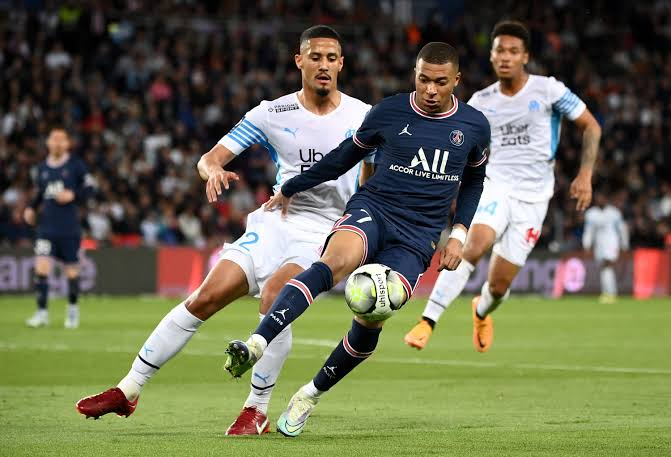
In Ligue 1 2016–17, headline clubs like PSG, Monaco, Lyon, and Marseille dominated television coverage and conversations, but they did not automatically deliver the best long‑term returns for bettors. Monaco’s title and PSG’s status as pre‑season favourites shaped the public narrative, yet value often emerged from less glamorous sides whose performances quietly exceeded the expectations baked into weekly prices.
What “Big Team” and “Money-Making Team” Really Mean for Bettors
From a betting standpoint, a “big team” is defined less by trophies and more by how strongly public opinion and pre‑season markets favour it across a campaign. PSG entered 2016–17 as the overwhelming choice to win the league, reflecting years of dominance and leading ante‑post odds, while Monaco, Lyon, Marseille, and Nice formed the rest of the recognised elite in that era’s discourse. A “money‑making team,” in contrast, is any club whose actual results—against the spread, in totals, or in specific markets—consistently outperformed what its odds implied, which often meant mid‑table or underrated sides that flew under the radar while quietly exceeding expectations.
How the 2016–17 Table Hides and Reveals Betting Value
The final Ligue 1 table shows Monaco crowned champions ahead of PSG, with Nice, Lyon, and Marseille rounding out the top five, reflecting the established hierarchy of big names and ambitious challengers. However, a league table only displays raw results, not whether those results outpaced or lagged behind what markets anticipated, so it cannot tell you on its own which teams were profitable to back. Some mid‑table sides with modest point totals may have provided strong returns because bookmakers initially underrated their consistency or defensive solidity, while heavily favoured giants could still lose money for backers if their short prices systematically overshot reality.
How Market Perception Turned PSG into a Public “Big Team”
PSG’s pre‑season status as a heavy favourite for the 2016–17 title—aiming for what would have been a fifth straight championship—illustrates how reputation and expectation create “big team” pricing. Ante‑post odds placed them well ahead of the field, and early markets treated many domestic fixtures as near‑formalities, compressing PSG’s win odds and inflating handicaps. When Monaco’s campaign gathered momentum and eventually toppled PSG’s dominance, that shift did not fully erase the earlier perception premium; in many matches, PSG still attracted public money and premium pricing because bettors anchored on their recent history more than on the evolving balance of power.
Mechanisms: Why Big Names Often Underperform the Betting Line
Big‑name clubs tend to draw more recreational money, which nudges bookmakers to shade odds slightly against them to manage risk and capture that demand. In practical terms, a favourite that “should” be priced at an implied 65% win probability might instead be offered closer to 70% because casual bettors still back them heavily, especially in televised matches. Over a long season like 2016–17, that subtle inflation can mean that a big team wins plenty of games yet still underperforms the line, as their victories are already fully priced in while their occasional draws and losses carry disproportionate negative impact for anyone blindly backing them at short odds.
Team Profiles More Likely to Become “Money Makers”
The clubs most likely to become “money‑making” teams in a season like 2016–17 typically share a different set of traits from the big‑name brands. They are often mid‑table sides with solid tactical structure, decent home records, and limited international attention, leading markets to price them conservatively even when underlying performances are strong. They might finish sixth to tenth in the table—behind Monaco, PSG, Nice, Lyon, and Marseille—but outperform expectations week after week, especially when hosting stronger names or visiting relegation candidates, where lines are set more around brand and league position than around detailed performance metrics.
Table: Conceptual Comparison Between “Big Clubs” and “Money-Making Teams” in 2016–17
Before interpreting the full betting implications, it helps to set out how these two categories typically differed in a season like 2016–17. The following table uses structural traits grounded in the actual league outcome, rather than naming every specific club’s profit record, to show how “big” and “profitable” diverged in practice.
| Dimension | “Big team” archetype 2016–17 | “Money-making team” archetype 2016–17 |
| Public perception | Constant media focus; assumed title or Europe contender | Low to moderate visibility; few headlines |
| Pre-season odds baseline | Strong title or top‑three pricing | Priced for mid‑table survival or modest improvement |
| Typical match odds | Short favourites at home; often odds‑on away | Modest favourites at home; larger underdogs away |
| Market bias | Lines shaded against them due to heavy public backing | Lines often slightly conservative in their favour |
| Betting value tendency | Value more often on opposing them or using handicaps | Value more often on backing them in select spots |
Interpreting this structure, the key point is that big‑team status in 2016–17 was closely tied to brand and pre‑season expectation, whereas money‑making status depended on whether a club’s actual output exceeded what those expectations had priced in. Monaco, for instance, bridged both categories by combining high performance with a meaningful shift in the title hierarchy, but other profitable teams occupied quieter slots in the table while generating steady, low‑profile returns for those who noticed them.
Using UFABET Within a Framework That Separates Fame from Value
When a bettor wants to distinguish between “teams to watch on TV” and “teams to build a staking plan around,” the surrounding infrastructure becomes part of the edge. Suppose your review of Ligue 1 2016–17 shows that backing certain mid‑table sides at home against higher‑profile visitors yielded better long‑term returns than following PSG or Monaco blindly at short prices. To apply that insight sustainably, you need a setting where you can filter fixtures by league, track closing lines, and consistently record whether your anti‑public or mid‑table positions outperform the market. Under those conditions, treating a betting interface such as พนันบอล as one of the key environments for implementing this distinction allows you to separate emotional interest in big‑name matches from the more systematic, data‑led selections that actually drive your profit curve over time.
Checklist: How a Bettor Can Classify a Team as “Big” or “Money-Making”
Because reputation and nostalgia are powerful biases, a simple checklist helps anchor classification in observable behaviour rather than in logo size. The following steps draw on the 2016–17 structure—Monaco’s title, PSG’s pre‑eminence, and the broader table—to show how a bettor might tag teams in future seasons.
- Compare pre‑season expectation with actual finishing position
A team widely tipped for the title but finishing second or third may still be a big name but not necessarily a money maker, especially if their prices assumed near‑perfection. Conversely, a club initially expected to fight for mid‑table that finishes comfortably in the top half likely provided value along the way. - Assess how often match odds made them heavy favourites
If a side was odds‑on in most home games and frequently short away, they were treated by the market as a big team. Profitability then depends on whether they covered spreads and avoided too many upsets, not on the raw number of wins. - Look at price movement and closing lines
Teams that consistently attract late money in their favour—narrowing odds before kick‑off—are usually big public sides. If your records show they underperformed relative to those closing prices, they slide toward “overvalued brand” rather than “money maker.” - Track ROI by backing them blindly across the season
A simple back‑all‑matches simulation, even with flat stakes, reveals whether a team’s headline success translated into net gain or into underlying overpricing. Many big‑name clubs win often but still produce negative ROI when taken at face‑value prices. - Cross-check with situational performance (home vs away, vs top vs bottom)
Some teams are money makers only in specific contexts—home to bottom‑half rivals or away as large underdogs—while losing money in other roles. Classifying them too broadly as a “money‑making team” can hide these nuances.
When this checklist is applied to a season like 2016–17, the gap between clubs dominating media narratives and those quietly generating edge becomes clearer, even if you choose not to publish every ROI figure. The process trains you to ask whether you are backing teams because they are exciting to support or because your data suggests they are mispriced relative to their true level.
casino online Context and Maintaining Discipline Between “Fun” and “Edge”
The setting in which you place bets affects how successfully you keep fun watching big clubs separate from disciplined hunting for value. In environments where multiple leagues, bet types, and promotional offers compete for attention, it is easy to slip from a carefully chosen mid‑table value pick into an impulsive wager on a big‑name side just because the match is kicking off. Operating through a casino online context that allows detailed tracking of bets by team, market, and stake size helps highlight whether your profits are actually coming from low‑profile Ligue 1 2016–17‑style money makers or from occasional strokes of luck with famous clubs. Over time, that visibility forces a more honest conversation with yourself about whether you are a fan who sometimes bets or a bettor who uses fandom as one input among many.
Summary
In Ligue 1 2016–17, the distinction between “big teams” and “money‑making teams” looked very different from the perspective of a bettor than from that of a neutral fan. Monaco’s title run and PSG’s pre‑season favourite status created a familiar narrative of elite clubs fighting for the top, but mid‑table sides and quietly overperforming outfits often provided more consistent value relative to their odds. For anyone staking real money, the critical task is to classify teams based on how markets price them—not just how they finish in the table—and to build tools and routines that keep attention focused on mispriced reality rather than on the loudest brands. When that discipline is paired with systematic record‑keeping and clear criteria, separating big names from genuine money makers becomes less about intuition and more about deliberate, data‑anchored evaluation.